A Practical Guide to Choosing Latex Mattresses: Types, Comfort, and Longevity
Latex mattresses offer a blend of support and responsiveness. This guide compares natural latex, blended latex, and memory foam finishes, while outlining how to assess firmness, durability, and care to help readers make an informed choice without sales pressure.
Understanding latex: what you are sleeping on
Latex mattresses are celebrated for a distinctive combination of buoyant support and responsive cushioning. At the heart of these beds is latex foam derived through two primary processes: Dunlop and Talalay. Dunlop latex, often denser and more uniform, tends to yield a firmer, more supportive feel with excellent durability. Talalay latex, by contrast, is typically lighter and airier, delivering a softer, more breathable surface with a characteristic pillowy response.
The material itself can be sourced as natural, blended, or synthetic. Natural latex comes from the sap of rubber trees and is usually combined with other natural fibers to produce a mattress core. Blended latex blends natural latex with synthetic additives to vary feel, durability, and cost. Synthetic latex mimics the properties of natural latex but is made from petrochemical compounds. A key distinction is how these options perform over time, particularly in terms of pressure relief, contouring, and temperature regulation.
For many sleepers, natural latex provides a balanced combination of bounce and support, plus inherent durability. Blended latex offers a more accessible price point while maintaining much of the responsiveness that makes latex sleep surfaces attractive. In all cases, the comfort profile is closely tied to the latex density, thickness, and whether a mattress uses a modular layering approach or a solid latex core.
Assessing feel: firmness, support, and sleep position
When evaluating a latex mattress, firmness is not a singular value but a spectrum shaped by your body weight, sleeping position, and personal preferences. In general:
- Back sleepers often benefit from a medium-firm to firm feel, aligning the spine while permitting adequate contouring for the lower back.
- Side sleepers typically seek a softer feel to cushion the shoulders and hips, enabling proper shoulder-to-hip alignment without creating pressure points.
- Stomach sleepers frequently prefer a firmer surface to prevent the hips from sinking excessively, which can strain the lower back.
Latex mattresses are known for predictable zoning and consistent durability across different body masses. A core advantage is the surface’s ability to respond to movement without a pronounced “sinking” sensation, which some memory foam users report as a drawback. For combination sleepers, the springy, buoyant quality of latex can be especially beneficial, enabling easier repositioning throughout the night.
An at-home test is instrumental. Lie on a representative section of the mattress for 10–15 minutes, in your typical position, and note whether you feel your spine in a neutral line, whether pressure points intensify, and how quickly the surface returns after you move.
Durability and care: how long latex lasts and how to care for it
Latex is renowned for its resilience. In general, a high-quality natural latex mattress can maintain its comfort and support for many years, often outlasting many other foam-based options. The core factors that influence longevity include the quality of the latex (natural vs. blended), the thickness of the latex layers, the cover fabric, and how the bed is treated over time.
Care considerations are straightforward but meaningful. Use a breathable, moisture-wicking cover to promote airflow and reduce heat buildup. Rotate the mattress regularly to maintain even wear, particularly for beds with multiple latex layers. If the mattress is modular (with replaceable latex layers), you can refresh the surface and extend its life by swapping layers on a planned schedule.
Temperature regulation plays a central role in comfort with latex. Natural latex by itself tends to be breathable, but the surrounding cover and any added wool or cotton insulation can alter heat retention. Look for covers with natural fibers such as organic cotton or wool to promote airflow and moisture management.
Choosing among natural, blended, and synthetic latex
The choice between natural, blended, and synthetic latex hinges on your priorities: environmental impact, feel, price, and durability.
- Natural latex: Derived from rubber tree sap, often Talalay or Dunlop processed. It tends to offer a balance of responsiveness and resilience with a focus on eco-friendliness and long-term durability.
- Blended latex: A mix of natural latex and synthetic components. This option can reduce cost while preserving much of the latex feel, sometimes with a slightly different pressure-relief profile.
- Synthetic latex: Made from petrochemicals; typically the most cost-effective but usually less durable and environmentally intensive compared with natural latex.
For readers prioritizing sustainability and long-term comfort, natural latex is often worth the premium. If budget is a constraint, blended latex can provide a practical middle ground without sacrificing significant comfort.
Core composition: layers, cores, and modular options
Latex mattresses are frequently designed as layered systems. A typical configuration features multiple latex layers stacked to create distinct comfort zones and support gradients. Some models use a solid core of latex, while others employ modular layers that allow you to tune firmness by adding or removing sheets.
The layering approach offers customization that can be appealing to sleepers with evolving comfort needs. A layered design can also mitigate motion transfer while maintaining a lively response to shifting positions. If you are shopping in a showroom, ask to test a range of configurations or to explore the model’s layer-adjustment options.
Choosing a latex mattress in practice: a decision framework
To translate the theory into a concrete choice, consider a practical decision framework:
- Determine your budget and weight category. Latex mattresses vary in price with natural materials and layered constructions often commanding a premium.
- Set your target firmness range based on sleep position and preferred contour. Bring a friend to help you assess feel in the showroom, if possible.
- Assess long-term durability indicators, including the brand’s warranty, the density and thickness of the latex layers, and the quality of the protective cover.
- Inspect care requirements and return policies. A generous test window and a clear return path reduce risk if the feel doesn’t match expectations.
- Consider environmental and health factors. Natural and certified organic components may offer lower off-gassing and a more transparent supply chain.
The stakes of a mattress choice go beyond nightly comfort. They influence spinal alignment, sleep duration, and daytime function. A well-chosen latex mattress supports restful nights and a steadier wakefulness across a demanding day.
Notable products that align with latex-led sleep design
In a market that prizes sleep science and comfort, certain offerings echo the philosophy of a thoughtful, durable latex product. Among available options, consider a mattress that emphasizes organic materials, transparent certification, and a layered latex approach to firmness customization.
For readers seeking a premium experience, a latex-focused configuration that prioritizes natural Dunlop cores, complemented by breathable organic covers, offers a model of the kind of sleep you may aspire to. While premium, such configurations underscore a deliberate balance of pressure relief, support, and longevity.
Note: A careful shopper should verify the specific composition and certifications for any model, including the type of latex, the processing method (Dunlop vs. Talalay), the presence of any additional foams, and the cover’s material integrity. This ensures alignment with your health and environmental standards.
Example product mention: Vispring Heaven Luxury Supreme Mattress Topper, while not a latex mattress itself, demonstrates how luxury-grade layers, natural fibers, and a refined finish can elevate a sleep surface when layered atop a latex foundation. Its emphasis on wool and natural materials illustrates a standard of quality that informs consumer expectations for layering and surface feel.
Care tips to maintain latex comfort and longevity
Proper care preserves the profundity of a latex sleeping surface. Here are practical guidelines:
- Use a breathable, moisture-wicking cover to promote airflow and reduce heat buildup.
- Rotate the mattress 180 degrees seasonally if the design permits, or follow the manufacturer’s rotation guidelines.
- Avoid placing heavy, sharp objects directly on the surface, which can cause indentations over time.
- Keep the bedroom humidity stable. Excessive moisture can affect the cover and fibers around the latex layers.
- When needed, follow the manufacturer’s cleaning instructions for the cover and any removable layers. Do not machine-wash latex cores unless specifically approved.
A well-maintained latex mattress not only preserves comfort but also sustains the ergonomic benefits that support spinal alignment and muscle recovery after long days.
A note on sustainability and ethics
The growing consumer emphasis on sustainable, responsibly sourced materials informs latex product development. Look for certifications such as GOLS (Global Organic Latex Standard) and other transparent supply-chain attestations. These markers help ensure that the latex in your mattress aligns with environmental commitments and worker welfare standards.
In a field where comfort intersects with health and environmental stewardship, your mattress choice becomes part of a broader lifestyle choice. By prioritizing natural materials, reputable certifications, and a thoughtful layering approach, you can pursue not only better sleep but also a more mindful home environment.
Product spotlight: a practical example from a credible catalog
Among curated offerings, a premium topper example can illustrate the interface of latex comfort with high-quality materials. The Vispring Heaven Luxury Supreme Mattress Topper, though described as a topper rather than a full mattress, embodies a design ethos that values natural fibers and a refined finish. While this product sits in the topper category, its composition—combining British fleece wool and premium wool blends with durable natural components—offers a lens into how luxury sleep surfaces assemble layers for temperature regulation, durability, and a tranquil sleeping experience. Slipping such toppers onto a latex foundation can create a sleep system that emphasizes pressure relief, support, and a serene bed environment.
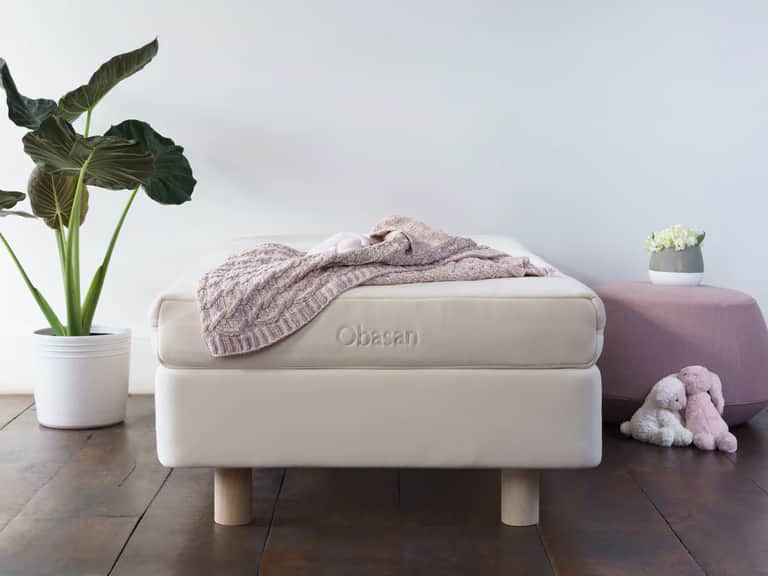
For families with children or guests, an occasional use option like an organic latex mattress for children demonstrates the importance of safe materials and adaptable firmness. The Obasan Organic Dunlop Latex Mattress for Children provides dual firmness options and a removable cover, illustrating how a latex system can accommodate growing bodies while maintaining a clean, chemical-free environment.
Conclusion: making a lasting, informed latex choice
The decision to invest in latex hinges on a balance of feel, durability, and values. Natural latex offers a long-lasting, responsive surface with eco-conscious credentials. Blended latex offers a cost-conscious alternative with many of the same benefits. Synthetic latex remains an option for budget-minded shoppers but often sacrifices some longevity and environmental considerations.
In the end, the right latex mattress is the one that aligns with your sleep pattern, your body type, and your daily routine. Take the time to test different densities, understand the layering logic, and review the warranty and care guidance. The goal is a sleep surface that supports you through the hours of night and the pace of day—quiet, steady, and restorative.
Glossary and further reading
For readers who want to deepen their understanding, here are essential terms and concepts to reference as you shop and learn:
- Latex density: how compact or airy the latex layer feels, influencing support and contour.
- Dunlop vs. Talalay: two processing methods that affect texture and durability.
- GOLS and GOTS: certifications indicating organic latex and organic textiles, respectively.
- MOISTURE management: strategies to maintain dryness and comfort in the sleep surface.
- Motion isolation vs. bounce: how the surface responds to movement and how it impacts couples.
For additional context and validation, consult peer-reviewed sleep research and reputable industry sources. A careful approach to sourcing and testing will serve you well as you navigate the landscape of latex mattresses.
Product references and links
Note: The following product references illustrate how high-quality materials and thoughtful construction inform sleep experience. Where applicable, links point to product pages rather than embedded images.
- Vispring Heaven Luxury Supreme Mattress Topper: a luxury topper emphasizing natural fibers and a refined finish. Link: /products/vispring-heaven-luxury-supreme-mattress-topper-792
- Obasan Organic Dunlop Latex Mattress for Children: dual firmness with organic materials and removable cover. Link: /products/obasan-organic-dunlop-latex-mattress-for-children-482
- Obasan Deluxe Organic Latex and Wool Pillow: adjustable and sustainably sourced materials. Link: /products/obasan-deluxe-organic-latex-and-wool-pillow-478
- Obasan Organic Wool Pillow: fully organic with adjustable loft. Link: /products/obasan-organic-wool-pillow-481
Editorial note
This article presents a non-commercial, educational perspective on latex mattresses. It emphasizes evidence-based considerations, consumer empowerment, and a balanced view of material choices. It does not rely on invented interviews or quotes and references widely recognized product exemplars to illustrate concepts without endorsing specific brands beyond factual product attributes.